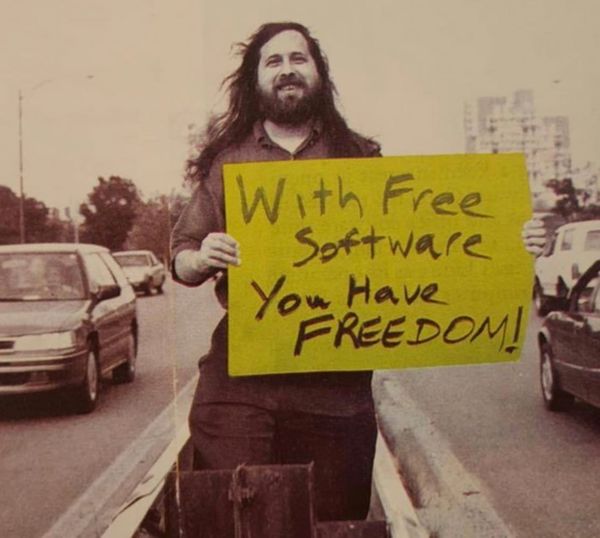
Free as in freedom - from anti-colonial refusal to public-interest AI
Today's economic hit men don't work for the World Bank. They work for Big Tech and Big AI.

Today's economic hit men don't work for the World Bank. They work for Big Tech and Big AI.
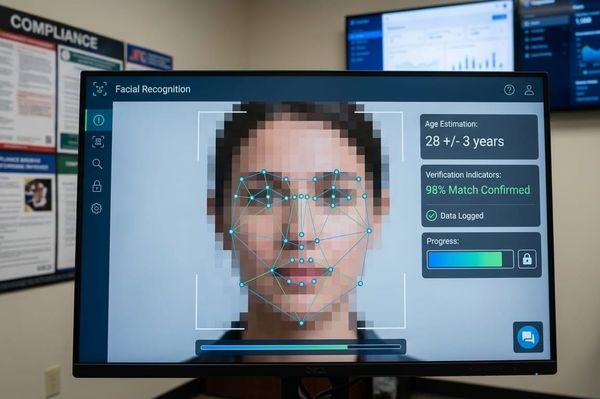
by Saritha Irugalbandara The global push for age-verified social media use has accelerated since Australia introduced strict age-based access restrictions for under-16s using social media in December 2025. As per the Online Safety Amendment (Social media Minimum Age) Bill a year earlier, companies are mandated to take
Across the Global South, 2025 feels like a turning point. Not because technology suddenly arrived but because the gap between what digital platforms promise and what they actually deliver became impossible to ignore. From Colombo to Kathmandu, Lagos to Jakarta, Mumbai to Manila, people are confronting the same core question:
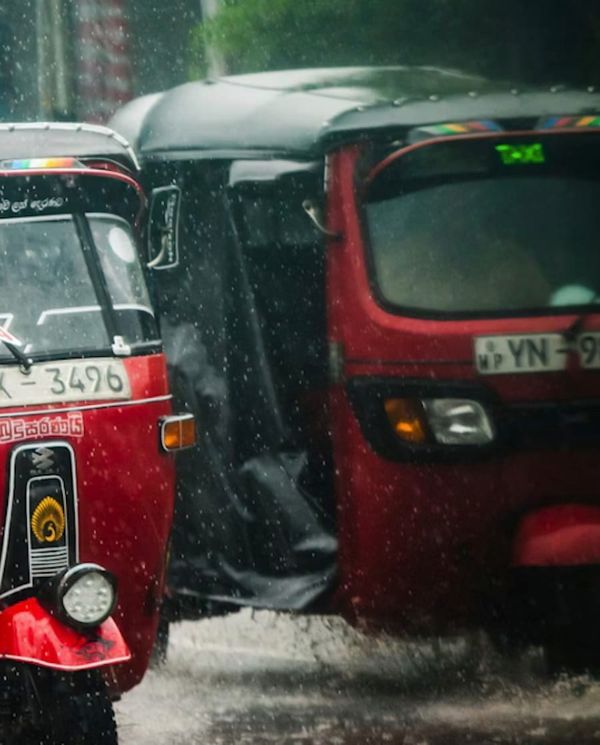
by Stephanie Nicolle A Sri Lankan gig worker, popular for his delivery vlogs, begins filming another package run. Strong winds shake his motorbike as he rides along the Southern coastline, prompting him to briefly stop. His phone receives an alert: Cyclone Ditwah is imminent, and his route is at high
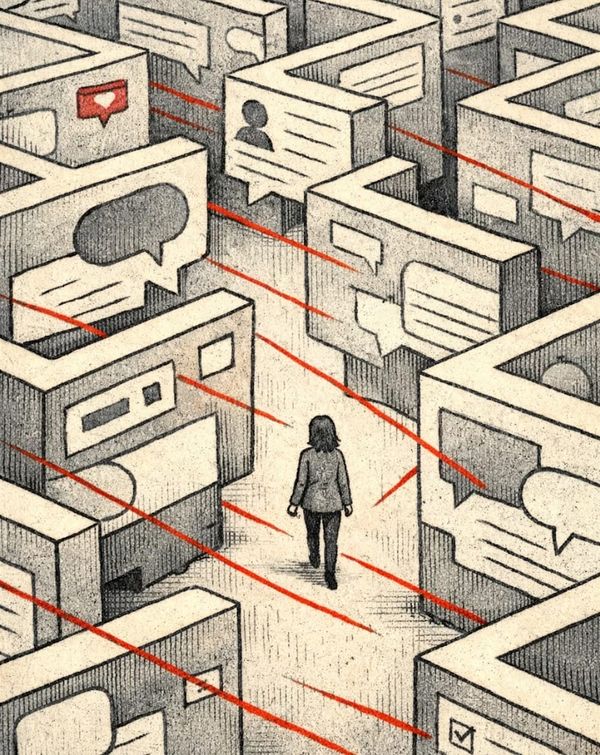
by Irma Garnesia This essay is based on interviews with journalists, editors, lawyers, fact-checkers, activists, and digital rights advocates between May and August 2025 as part of the Australian National University’s ‘Information Abundance in Southeast Asia’ project. It contends that Indonesia’s current digital ecosystem systematically leaves women
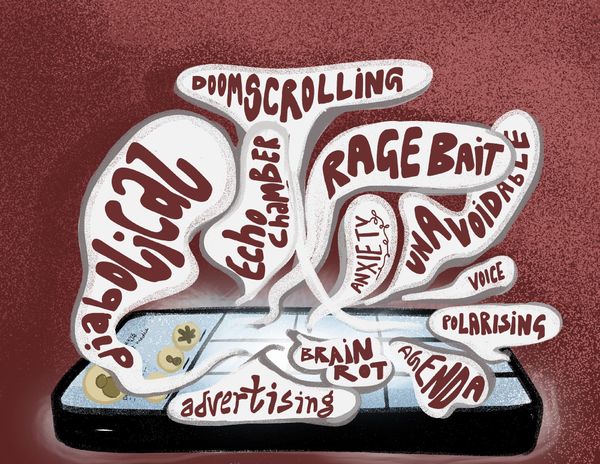
by Vaishali Soni The Promise We Logged Into Advertising. Agenda. Anxiety. Brainrot. Diabolical. Doomscrolling. Echo chambers. Polarising. Unavoidable. Voice. In 2025, Point of View in collaboration with Quicksand organised multi-city consultations across India — Goa, Bangalore, Mumbai, Delhi, and Hyderabad — with women, gender-diverse people, sex workers, people with disabilities,
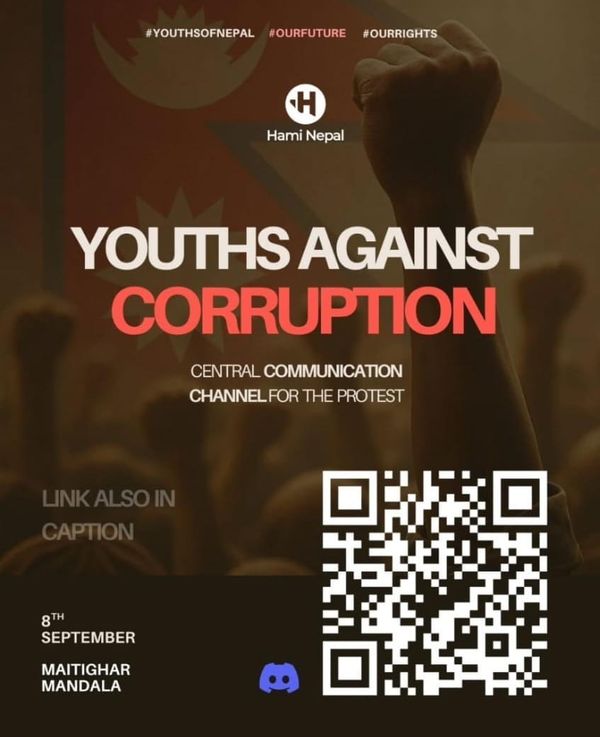
by Samik Kharel Over three months after a Gen Z uprising toppled Nepal’s government, the revolution has not ended. What began in September 2025 as protests against a sweeping ban on major social-media platforms has since evolved into something far more complex- an ongoing struggle over political meaning,

by Divine Nwobodo Chidera In a shared workspace in Yaba, Lagos, a software developer is training a small language model to understand Yoruba proverbs. The system translates the words accurately, yet consistently misses the wisdom hidden in pauses, tone, and cultural context. “It understands the sentence,” she says, “but not

Britain’s AI “sovereignty” is a mirage — US tech giants are wiring the country’s future to their own machines, bending policies, narrowing choices, and leaving citizens with the costs of capture.
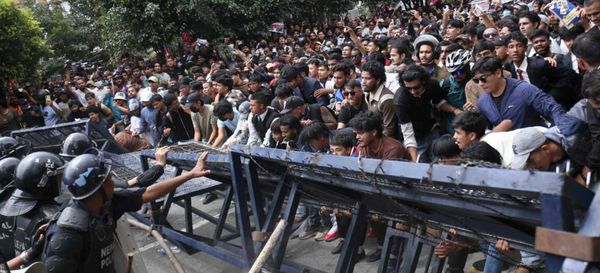
From Sri Lanka to Bangladesh, Indonesia to Nepal, youth are rising. In streets and online, they expose corruption and demand change — showing both the power and limits of tech.
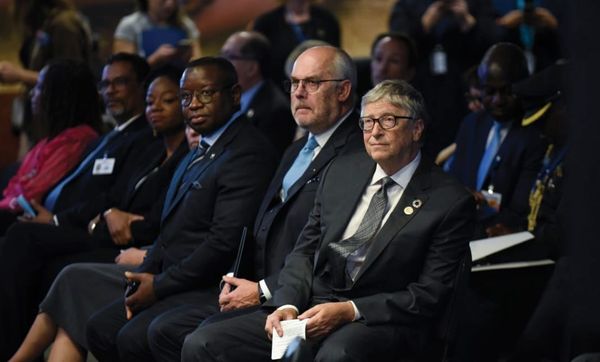
Across the Global South, Digital Public Infrastructure is being sold as a leap forward for inclusion and modern governance. But as Pamodi Hewawaravita reveals, these systems often deepen exclusion, entrench surveillance, and blur the line between public good and private control.
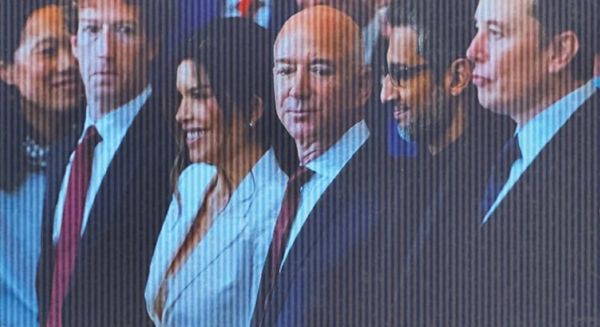
Miraj Chowdhury examines how the Trump administration’s alliance with Big Tech is reshaping not just US regulation but global digital governance — with far-reaching consequences for rights, power and accountability.
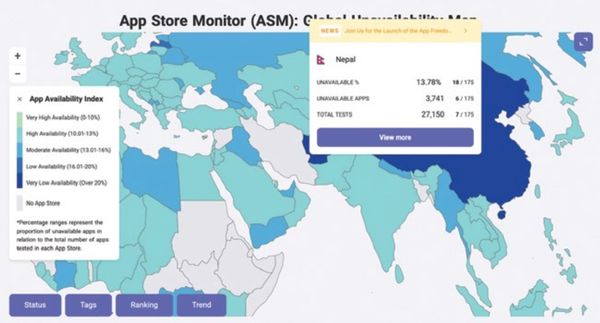
issue01
From app removals in China to quiet compliance in Hong Kong, Benjamin Ismail traces the rise of platform-enabled censorship and the complicity of global tech giants in enabling digital authoritarianism.

issue01
Sam de Silva (SD), founding producer of Balance, and Sam Chua (SC), founding curator of Seapunk Studios, discuss how imagination, fiction and decentralised design can open up new ways of thinking about power, technology and resistance.
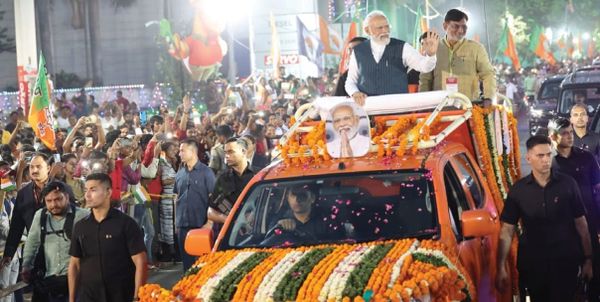
issue01
In India, the rise of Hindu nationalism is both political and digital. Connecting grassroots mobilisation to click farms and vigilantes, Aishik Saha reveals the merger between digital capitalism and political ideology, and why reimagining the internet infrastructure is now a democratic imperative.

issue01
From Friendster to Facebook, discreet blogs to divisive feeds, Katherine Francisco shares her emotional journey through the rise — and rupture — of digital communities.

Kirsten Han reflects on her experience as an activist in Singapore and civil society’s relationship with social media platforms in a difficult political environment.
issue01
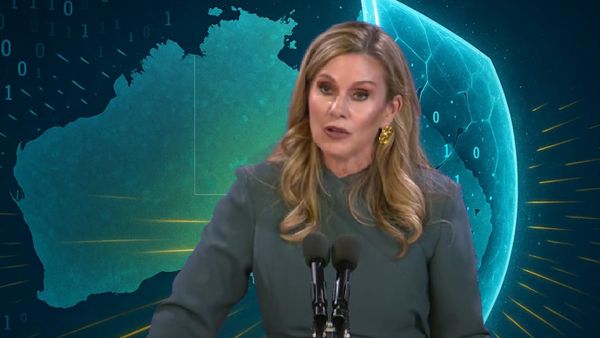
Lizzie O’Shea examines Australia’s uneven approach to tech regulation, highlighting the gap between public support for stronger safeguards and a political system swayed by industry influence and the global power of Big Tech.
issue01
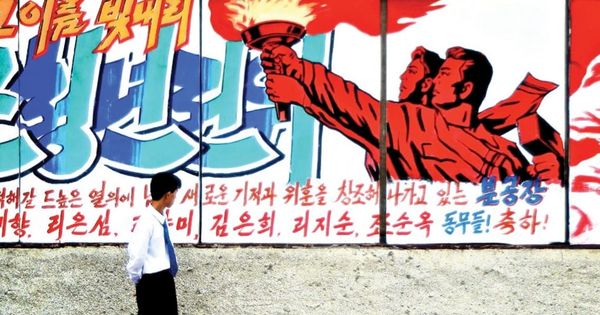
The traditional approach to fighting censorship can be an exhausting technical game. By focusing on a needs-first approach, Patrick Boehler discusses how the fight against censorship and oppression must provide information essential for daily life.
issue01
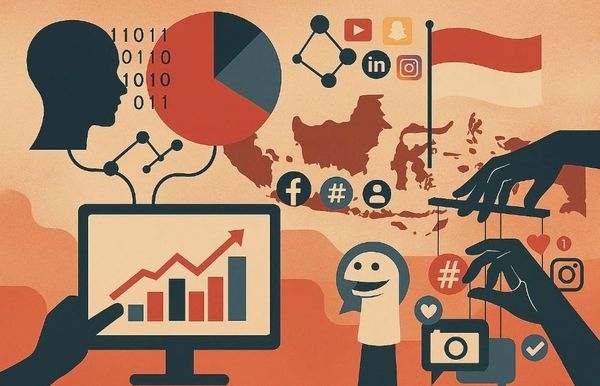
In this essay, Pradipa P. Rasidi traces how Indonesia’s pro-democracy volunteers and civil society actors helped build the country’s digital influence industry.

Prarthana traces algorave’s sonic manifesto and its defiant call: make the code public, make the culture shared, and make the dance floor political again.
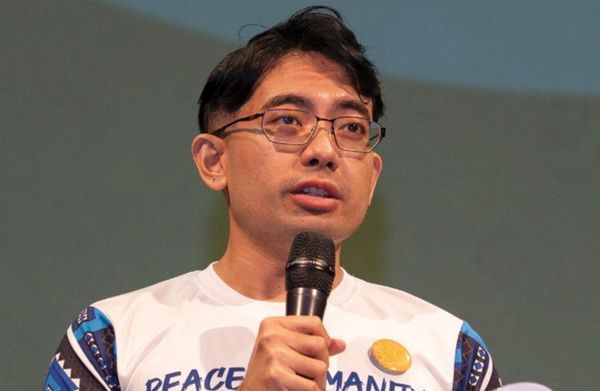
An interview with Aizat Shamsuddin, the founder of Initiative to Promote Tolerance and Prevent Violence (INITIATE.MY), on how technology has allowed radicalisation efforts to scale up, and what needs to be done to address the problem.
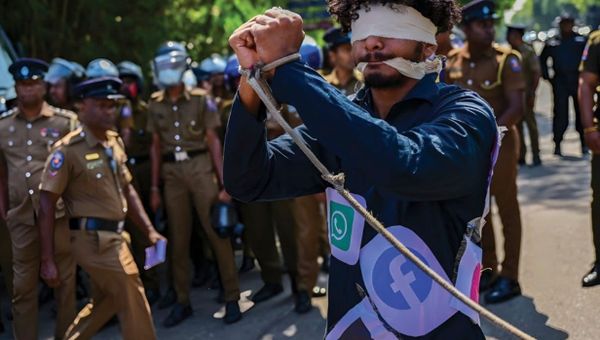
Saritha Irugalbandara reflects on how civil society, caught between governments and tech companies, needs to proceed with determination and thoughtfulness.
issue01
As debates over AI safety, ethics and regulation intensify, Ranjitha Kumar and Vinay Narayan examine how Global South actors are carving out their own approaches — not by trying to win the AI arms race but by reimagining the game entirely.