Collection 01: Power, Precarity, and Possibility

Across the Global South, 2025 feels like a turning point. Not because technology suddenly arrived but because the gap between what digital platforms promise and what they actually deliver became impossible to ignore. From Colombo to Kathmandu, Lagos to Jakarta, Mumbai to Manila, people are confronting the same core question: who does technology serve, and who pays the price?
This collection brings together five accounts that document digital power from the ground up. These aren't abstract policy proposals or Silicon Valley manifestos. They're reports of what happens when the architecture of digital life collides with the lived realities of those it was never designed to protect.
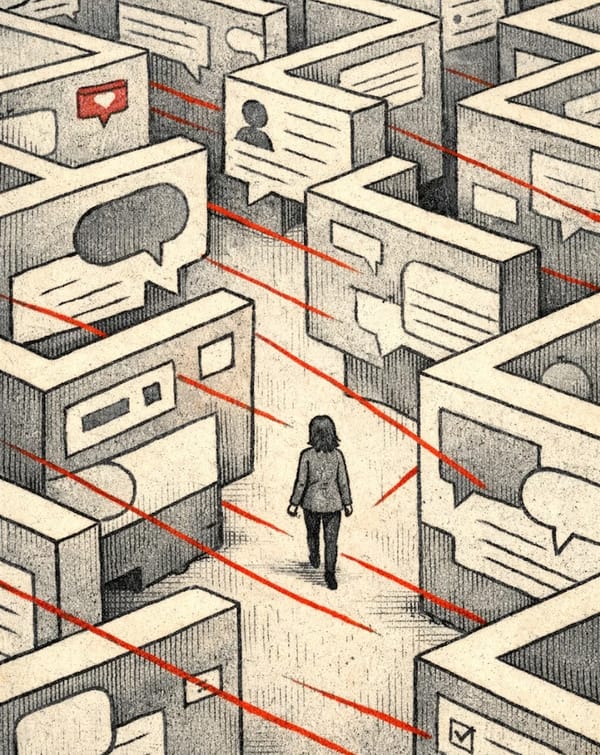
India: Reimagining Social Media from the Margins Women and marginalised communities gathered across five cities to reimagine social media through consultations that surfaced the visceral reality of inhabiting spaces that promise connection but deliver anxiety, surveillance, and harm — and then prototyped alternatives centred on care, consent, and community control.
Nigeria: The Human Signal: How African Futures Rewrite the Global Tech Script A software developer in Lagos trains a language model on Yoruba proverbs and finds it translates words accurately but misses the wisdom in pauses and cultural context — an entry point into understanding how African tech communities are building Indigenous-language AI, community-owned networks, and mobile-first platforms that don't wait for global tech's inclusion but create their own systems rooted in local realities.
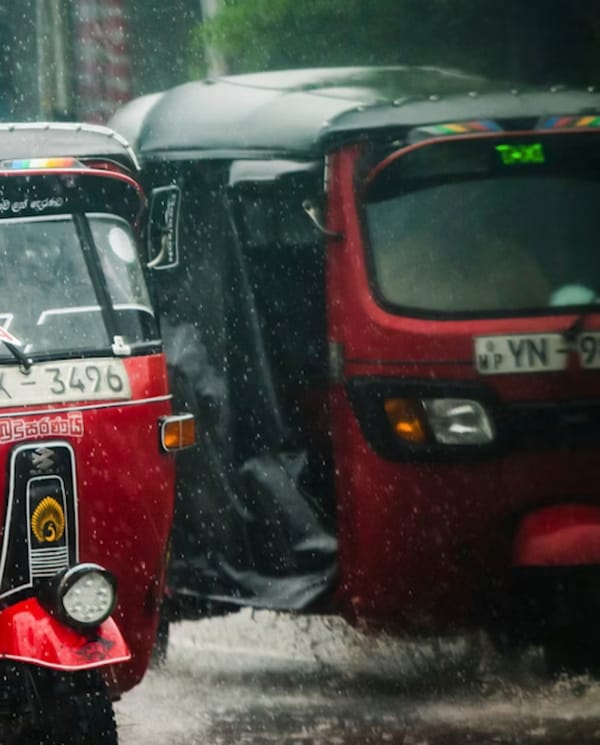
Sri Lanka: 'Whatever Happens, We Have to Deliver': Platform Labour in the Age of Polycrisis A delivery rider continues his route during Cyclone Ditwah, part of a workforce stretching 11-16 hour days under algorithmic management that offers cash bonuses for impossible targets whilst climate stress, urban heat, and flooding make the work increasingly deadly — all without sick leave, transparent pay structures, or the right to organise.
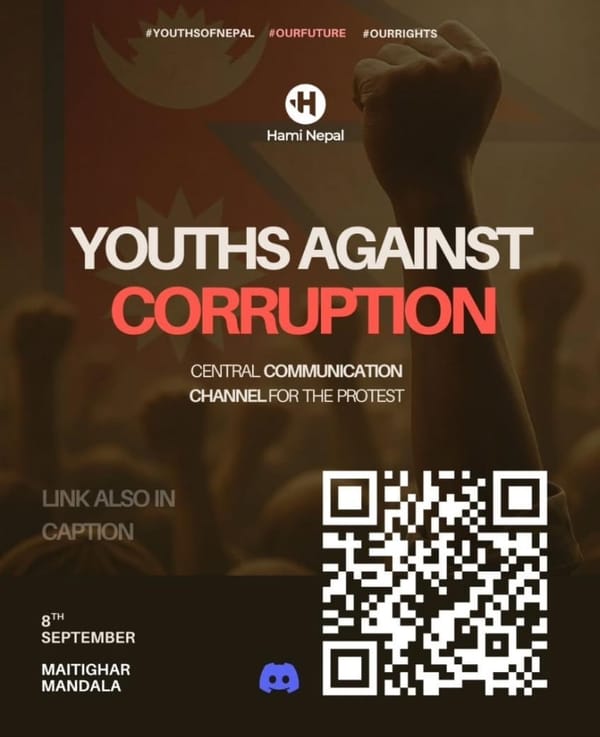
Nepal: Inside Nepal's Experiment with Digital Democracy Over three months after a Gen Z uprising toppled the government, the revolution confronts its limits. What began as protests against a social media ban has moved entirely to digital spaces. As March 2026 elections approach, deepfakes proliferate, algorithmic candidates dominate, and a decentralised movement struggles to translate digital momentum into institutional change.
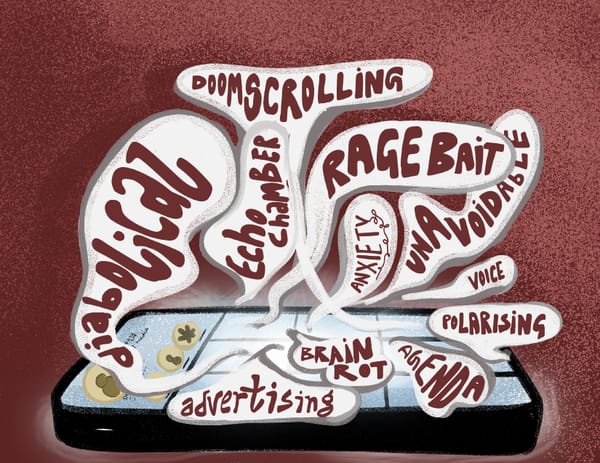
Indonesia: Designing a 'Safe' Digital Future for Indonesia's Women Activists and Journalists After 15 years of online advocacy, an Indonesian women's rights activist withdraws from digital spaces when police generals begin circulating her tweets. Her story reveals how platform design, inadequate legal frameworks, and coordinated networks of political buzzers systematically enable gender-based violence against women journalists and activists in Indonesia.
What connects these stories is a recognition that digital power is structural, not accidental. Platform failures aren't bugs. They're features of systems designed elsewhere, often with other people in mind.
But when those systems break down or reveal their true priorities, people don't simply have to accept it. They build alternatives. They use them to organise. They imagine different possibilities.
These five stories document ongoing struggles. The stories are evidence that the future of technology is being written right now in the streets, servers, and survival strategies of those navigating digital life's sharpest edges.
Feedback, as always is welcome. Contact us.
Text co-created with Claude. Image generated by Sora.